
Welcome back to another Open Book Blog Hop!
Today’s topic is: Share your tips for world-building, even if it’s only a village.
And remember to pay a visit to my fellow writers to see what they have come up with. You can find their works here!
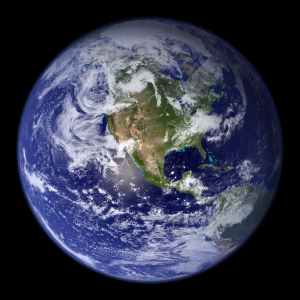
I think world-building is the element of writing that I love more than any other. Starting from nothing, and seeing whole worlds grow is really rewarding. I’ve always been a fan of books with rich, sprawling worlds. Stephen King and Terry Pratchett were two of those authors that I always found myself transported to their worlds. The Discworld is an incredibly rich world filled with diverse locations and vibrant characters. Everything feels so alive. But I have to tip my hat to Stephen King. His world-building is some of the best I’ve ever read. The Dark Tower in particular, but many of his books are rich and diverse in the detail of their worlds.
So for me, that’s rule 1: read lots. I think more books read by a wide range of authors can really help. It gives you an idea of different ways to build a world, and how the big hitters out there really go about it. They didn’t get to where they are by winging it.
The second thing: ignore everything you’ve read or seen before. Yes, reading lots and taking ideas is great. But don’t regurgitate it. Don’t try and recreate the worlds you’ve read about. Let them inspire you, but not influence you. Learn from them, but do not copy them.
Rule three is pretty simple: start small. Take a character. Put them in a room, any room. Describe that room. How big is it? What’s in the room? What is the atmosphere of the room? What can the character see hear and smell? Then expand. What can they hear beyond the four walls around them? Is there a window? If so, what can be seen beyond it? What does the rest of the building the room is in look like? Then expand it to the street, the neighbourhood, the town, the county and just keep going. But whatever you do – start small. Building a world can be a pretty daunting challenge, but if you reduce it down to the smallest possible level, you’ll find it so much easier.
Rule 4: research. This may or may not be relevant, it depends on what you are writing. But if it’s in any way based on a real location, research will be your friend. There would be nothing more jarring than reading a book set somewhere near and dear to your heart, only to then discover it in no way resembles it. Don’t get me wrong, if the book is distant future or past, dystopian, etc., then it’s not so bad. But with a wealth of information out there, copies of old maps, drawings and imagery, to just not try is quite a shock to the reader.
I am sure many more seasoned writers than I would have a much deeper, more in-depth approach to world-building, but these few pointers have served me well so far, and continue to do so.
 Steven Smith
That’s all great advice, particularly the bit about breaking it down. When I build my worlds, I do so in tandem with the plot. I only create something when I need it to add to the story. I think that it makes the whole process easier and avoids having to modify things later when you realise that they don’t fit with the way the story is developing.
LikeLike
It just seems easier. You could create an epic world, only for the story to take a turn and you are stuffed. Better to build only what you need for that part of the story.
LikeLike
Good pointers. I especially appreciate the seeming conflict in read and ignore what you’ve read–I do think both are important. @samanthabwriter from
Balancing Act
LikeLiked by 1 person
Exactly. You can’t learn something without being taught/self-taught. But that doesn’t mean you have to copy either.
LikeLike
It’s hard to avoid geographical references that won’t get outdated. Street names change, exits on the interstates get added (or the whole freakin’ naming convention gets redone), entire new roads get built! Starting small is a great way to avoid those references that instantly date your work.
LikeLiked by 1 person
In a made up world those issues aren’t a problem, but you are right. Start small and only define what you really need to.
LikeLike
I prefer my characters to be in our world that’s already here. In that way I can focus on them and not on the world. I can’t really write any other way unfortunately.
LikeLiked by 1 person
But that’s the beauty of writing, difference is to be celebrated.
LikeLiked by 1 person